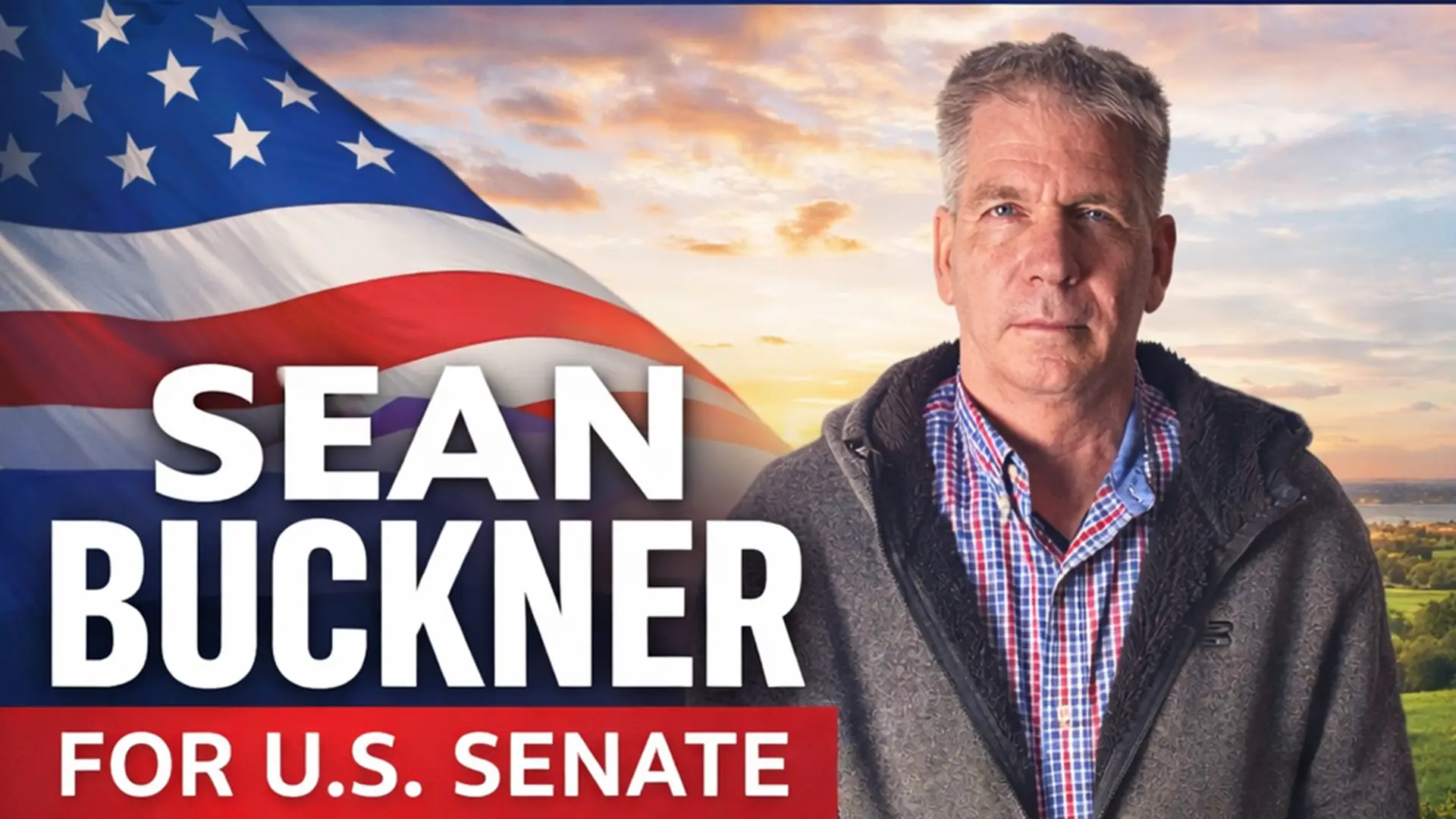
About Sean Buckner
The gravel popping under the tires when we pulled up. The screen door slamming behind my cousins running out to meet us. My grandmother's voice from inside the house before I was even up the steps.
That's what I remember about Sallisaw, Oklahoma.
Every year growing up, my family loaded up and drove back here. Both sides of my family were born and raised in Sallisaw. We are proud registered Cherokee. This community, these people are woven into who I am. Not because of a decision I made. Because of a history that was here long before me.
My grandmother used to say something to me every time I walked out her screen door. "You watch after things, Sean. That's what we do." I was a kid. I figured she meant the dogs, or the yard, or making sure the gate was shut.
I didn't understand what she meant. Not for a long time.
My parents were living out west when I was born, in Flagstaff, Arizona. I grew up in the Phoenix area. But every year, without fail, my family loaded up and drove back to Sallisaw. Those trips weren't vacations. They were the thing that kept us rooted. We came back to sit with family, to eat together, to remember where we came from.
In 1982, we moved to Sallisaw. I was young, but I remember it clearly. Cedar smoke in the evening air. My grandmother's kitchen on Sunday mornings. The feeling that this place had been waiting for me.
We stayed for two years.
But something got planted in me during that year that never came out. A certainty. A quiet knowing that I would come back to this place. That Sallisaw would be home again.
It took decades. And the road back was nothing like I expected.
I graduated high school in 1988. The following year, I raised my right hand and enlisted in the United States Air Force.
They put me to work on nuclear missile guidance systems.
I was 19 years old, and the Air Force trusted me with systems where there was zero margin for error. That will focus your mind. It teaches you precision. It teaches you that carelessness has consequences. And it teaches you that the people responsible for protecting this country had better be worthy of that responsibility, because the stakes are not something you get a second chance on.
When Desert Storm began, I served. I did my job. I didn't ask questions about politics or parties. I asked what needed to be done and I did it.
That's the part of military service most civilians never understand. It strips away everything that doesn't matter. Your background, your opinions, your comfort. All of it goes. What's left is a simple question: can you be trusted to do what needs to be done when it matters?
I left the Air Force in 1994 with the answer burned into me.
After the military, I landed in Arizona real estate. I didn't know a thing about selling houses. But I knew how to work. I knew how to learn a system, master it, and outperform the people around me who'd been doing it longer.
Within a few years, I was working for the largest brokerage in the West Valley. On the exact day I became eligible to obtain my broker's license, I opened my own company. Sean Buckner and Associates Real Estate, Inc. July 1997.
The business grew. Through determination and long hours, it became successful enough that by January 2006, I sold the company and retired. I was in my mid-thirties. I had built something from nothing, turned it into a career, and walked away on my own terms.
I thought that chapter was finished.
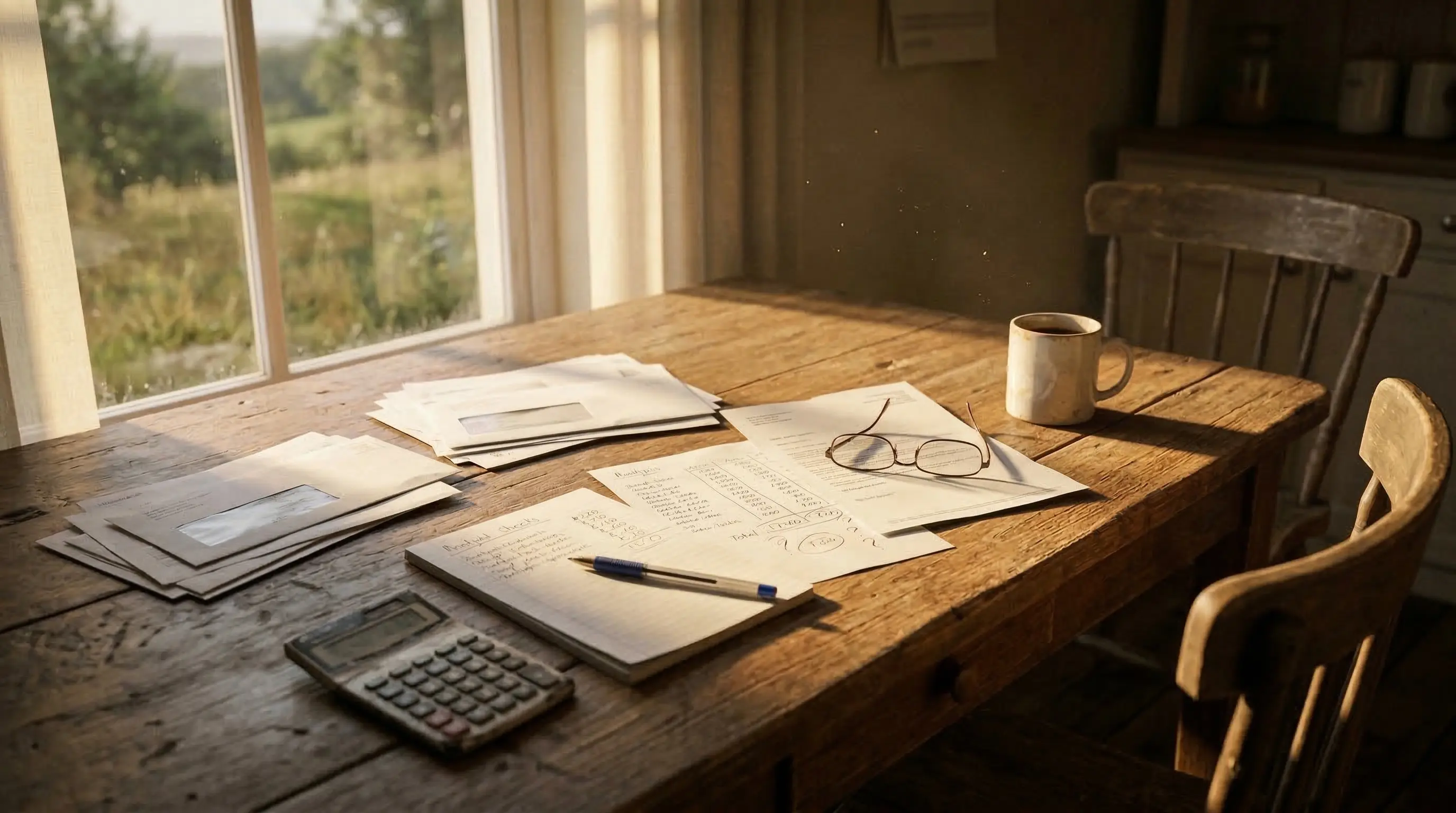
Two years later, the floor fell out from under the entire country.
The 2008 financial crisis didn't just hurt me. It gutted me. Everything I had built, everything I had saved, everything I thought was secure. Gone. My retirement, wiped out. The safety net I had spent a decade weaving, shredded in months by the recklessness of people in boardrooms and government offices who never had to live with the consequences of their decisions.
I know what it feels like to lose everything. Not as a talking point. Not as a line in a speech. I know what it feels like to sit at a kitchen table and do the math and realize the math doesn't work. I know the weight of that silence.
Millions of Americans went through the same thing. Some of them never recovered. I was determined not to be one of them.
So I rebuilt. Again. From the ground up. Again.
Those years taught me something that comfort never could. They taught me that the systems we trust to protect us are only as good as the people running them. And when those people are corrupt, or careless, or simply not paying attention, ordinary Americans pay the price.
Every single time.
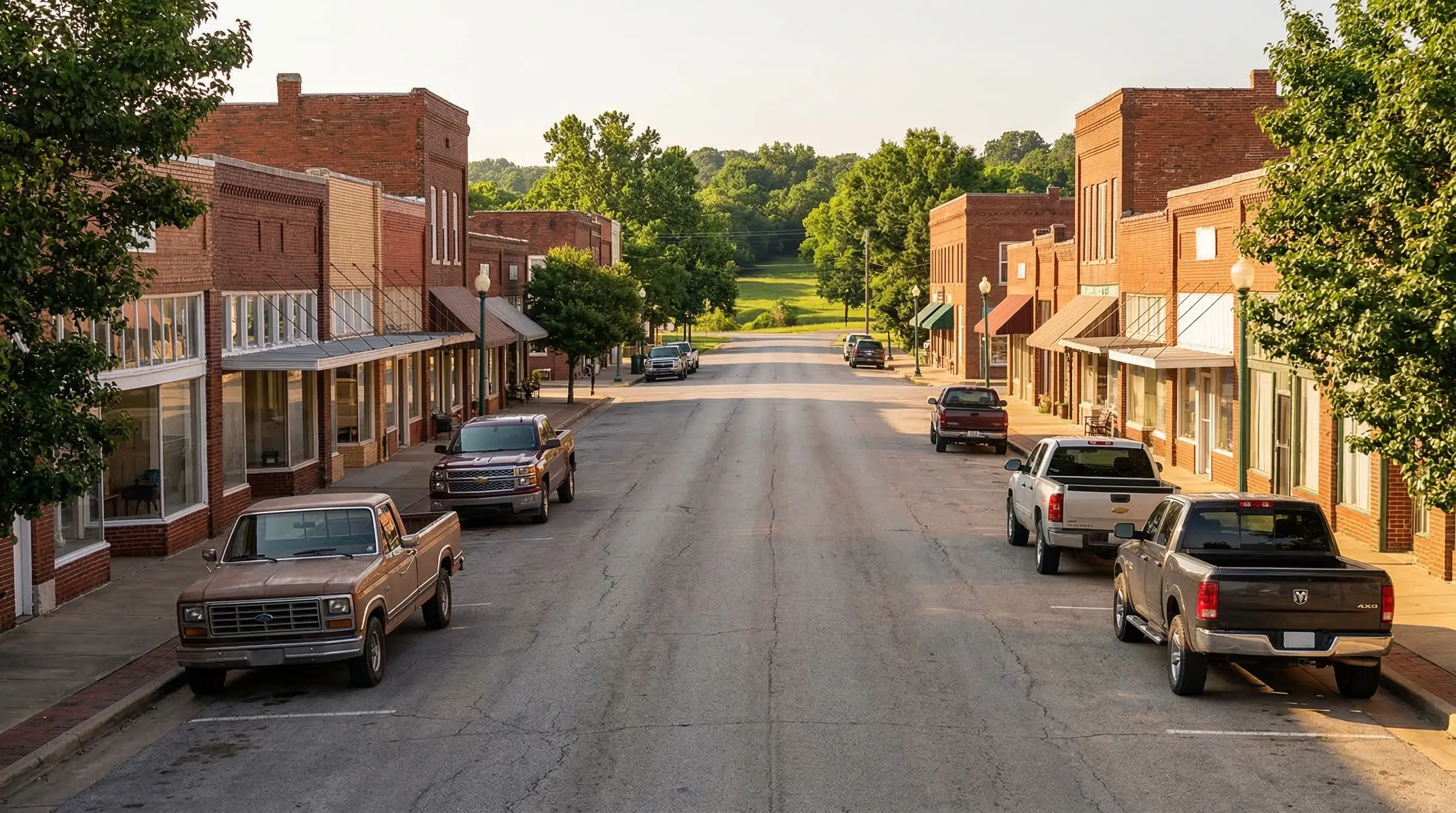
I came back to Sallisaw.
After everything. After the military, the business, the success, the crash, the rebuilding. I came home to the place that had been pulling me back since I was a kid standing outside my grandmother's house watching the sun drop behind the tree line.
I expected to find peace. What I found instead was a fight.
When I got involved in my community in eastern Oklahoma, I started seeing things that most people either didn't notice or had decided not to talk about. Small-town government officials making decisions behind closed doors. Public money moving in ways that didn't add up. People in positions of power treating their offices like personal property instead of public trusts.
Corruption. Not the kind you see in movies. The quiet kind. The kind that rots a community from the inside out while everyone pretends it isn't happening.
Most people look the other way. I picked up a camera.
I started filming public meetings. I started asking questions that officials didn't want asked. I started showing up at city halls and courthouses with nothing but a camera and the Constitution. When they told me I couldn't film, I showed them the law. When they told me to leave, I stood my ground. When they called the police, I kept recording.
One bad actor at a time, I started exposing what was happening. And people noticed. Not just in Sallisaw. Across eastern Oklahoma. People started watching. People started paying attention. People started demanding the accountability that their government owed them.
That work isn't finished. It's barely started.
Because the more I uncovered at the local level, the more I realized something that changed the direction of my life.
The rot doesn't start in city hall.
It starts in Washington.
I'm running for the United States Senate because nobody else is going to do what needs to be done.
Not the party insiders. Not the career politicians. Not the people who have spent their entire lives in the system that created the problem in the first place.
I belong to Oklahoma. And I'm running as a Republican because I believe in the values this party was built on, even when the insiders have forgotten them.
I've spent years standing in front of government officials with a camera, holding them accountable to the people they serve. Now I'm going to do the same thing in the United States Senate. With a microphone, a vote, and the same Constitution I've been carrying with me since the day I walked into my first city council meeting.
They will tell you I'm not a politician. They're right. I'm not.
I'm a veteran who swore an oath to protect and defend the Constitution. I'm a business owner who built something from nothing, lost it, and built it again. I'm a Cherokee citizen whose family has called Oklahoma home for generations. And I'm a watchdog who has spent years doing the work that politicians only talk about.
I'm not asking for your trust. I'm asking for your attention. Watch what I do. Hold me accountable. That's what I've been demanding of every public official I've ever filmed.
I should be held to the same standard.
I've been back in Sallisaw for years now. I've built a life here. I've raised a fight here. And some evenings, pulling up a county road with the gravel popping under the tires, I think about that kid riding in the backseat on the long drive from Arizona. The one who knew, even then, that he'd come back.
I think about my grandmother, and what she said every time I walked out her screen door.
"You watch after things, Sean. That's what we do."
She wasn't talking about the dogs.
She never was.